
Thetford 4H revitalizes Tunbridge Fair sheep show program
Sarah has seen the children become more confident.
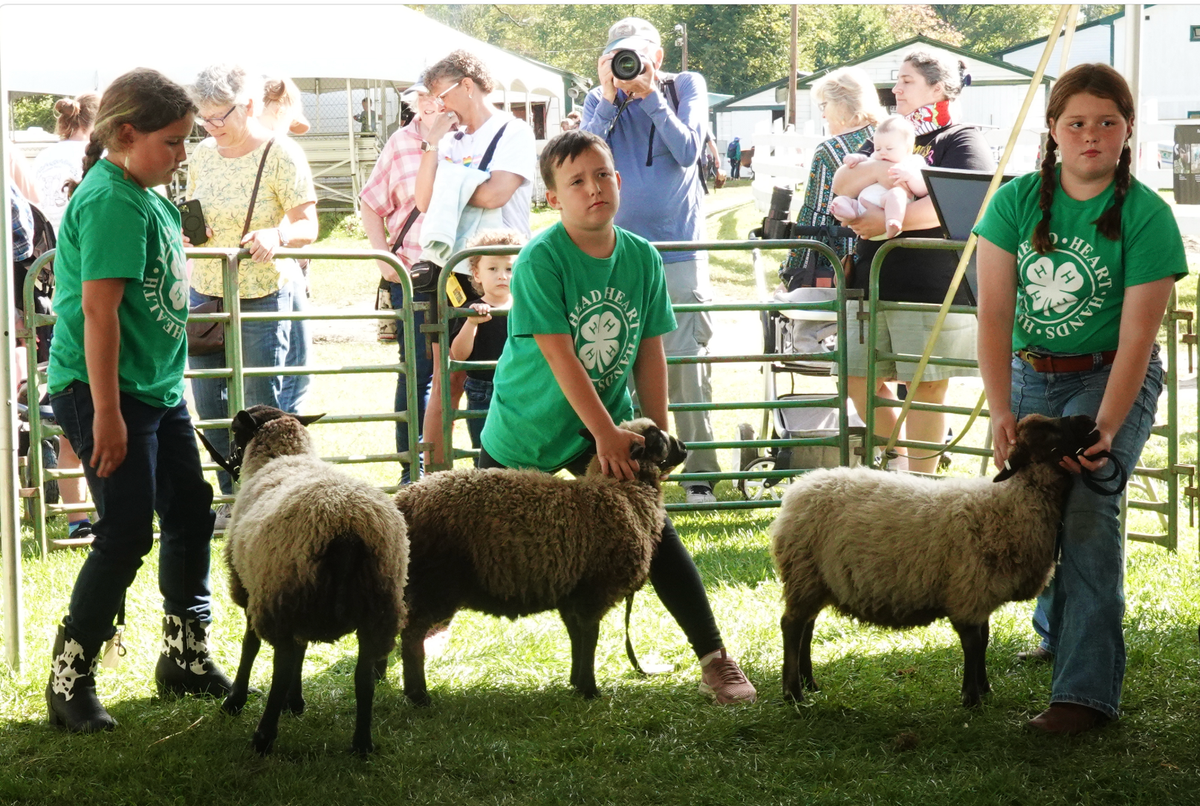
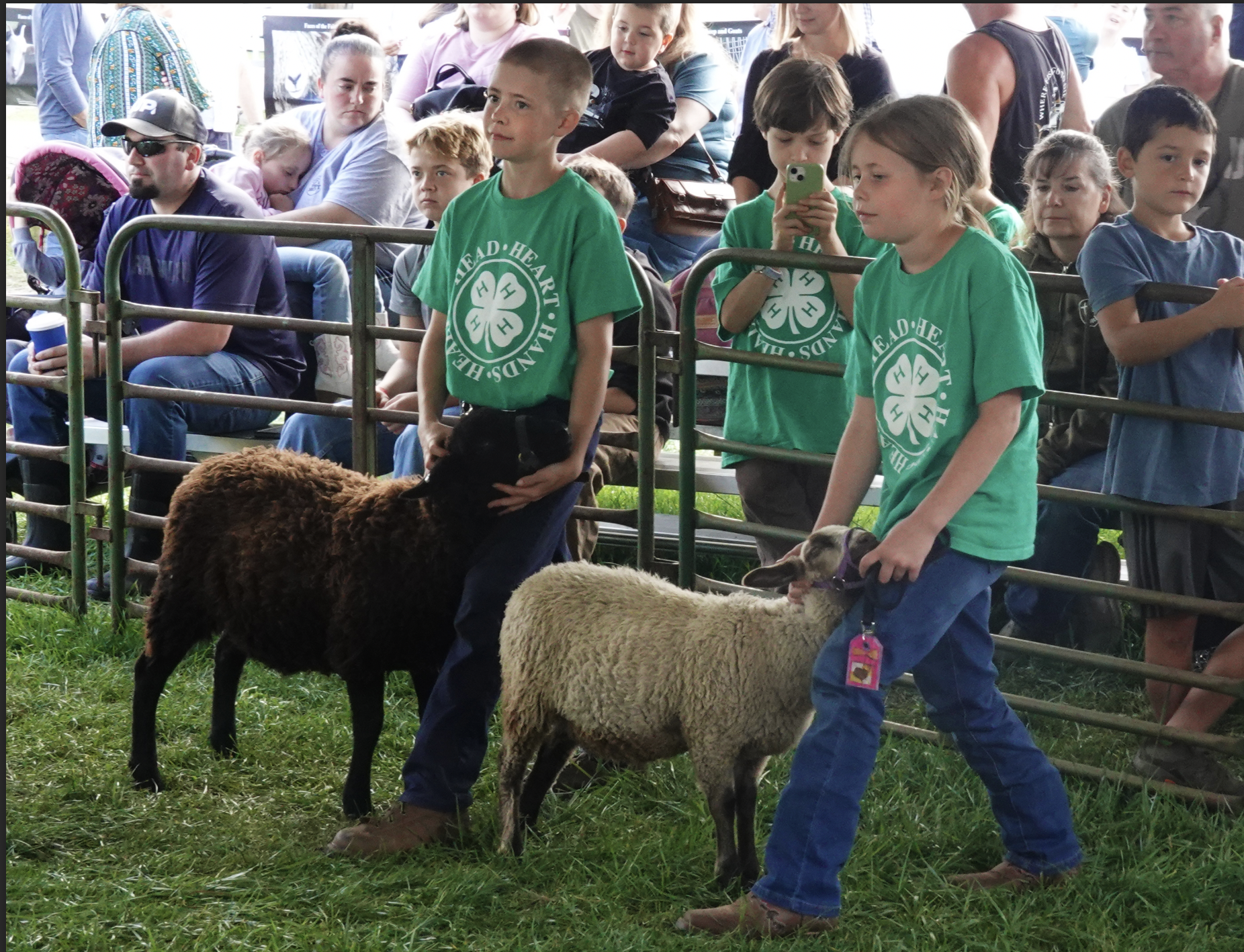
The sheep exhibit at the Tunbridge Fair was slowly fading. Pens stood empty, and show entrants were minimal. Thetford's Sarah Freeman and her recently minted 4H program, Copper Clovers, came to the rescue. They scrambled in response to an urgent call in 2025 from Fair organizers and jumped right in. Sarah brought six lambs from her home flock to the Fair and a couple of brave children to help show them. Neither lambs nor kids had any experience in the formalities of showing; nevertheless, they paraded around the show ring together.
The experience got the children hooked. Sarah's 4H program became focused on sheep and started meeting monthly, with a total of seven children. The meetings covered various aspects of sheep rearing and were theoretical in nature — that is until the birth of the first lambs in late winter. The opportunity to work with live animals was hard to resist, and word spread rapidly. Currently there are 21 children enrolled in Copper Clovers 4H, and 14 of them showed lambs at the fair. While most are from Thetford, some come from as far away as White River Junction and Waits River.
Rearing a live animal for showing requires a big commitment from the children and their families as well as the leaders of the 4H program. Normally Sarah would sell some of the lambs, but this year she kept all of them so as many children as possible would have a lamb to work with. Space for all those lambs became an issue. Fortunately Elise Bragg, the second 4H leader, was able to house them for the summer. Sarah just doesn't have the space nor do most of the families. In fact, it is better for the animals to stay as a group and bond with each other. That way there's no fighting when they are penned together at the Fair. The daily chores of keeping the lambs' bedding refreshed, feeding, watering, and health monitoring are rotated among all the children and their families.
Feeding and cleaning are just the beginning. In addition, each child needs to work with their lamb to prepare it for showing. The challenge is to mold an essentially feral lamb that has never been handled into a docile and well-behaved show animal. This takes time and dedication. For a start, the instinctive reaction of a lamb when a halter is placed on its head is to fall to the ground and prepare to die. It takes three to five sessions just to overcome this. Further training is required before the lamb will take steps and then walk forward while wearing the halter. By Sarah's assessment, most of the kids are still working on perfecting this.
Perfect or not, 14 children paraded their lambs around the show ring at the Tunbridge Fair while sporting their signature green Copper Clover 4H t-shirts. The Fair's sheep program looked alive and well once more.
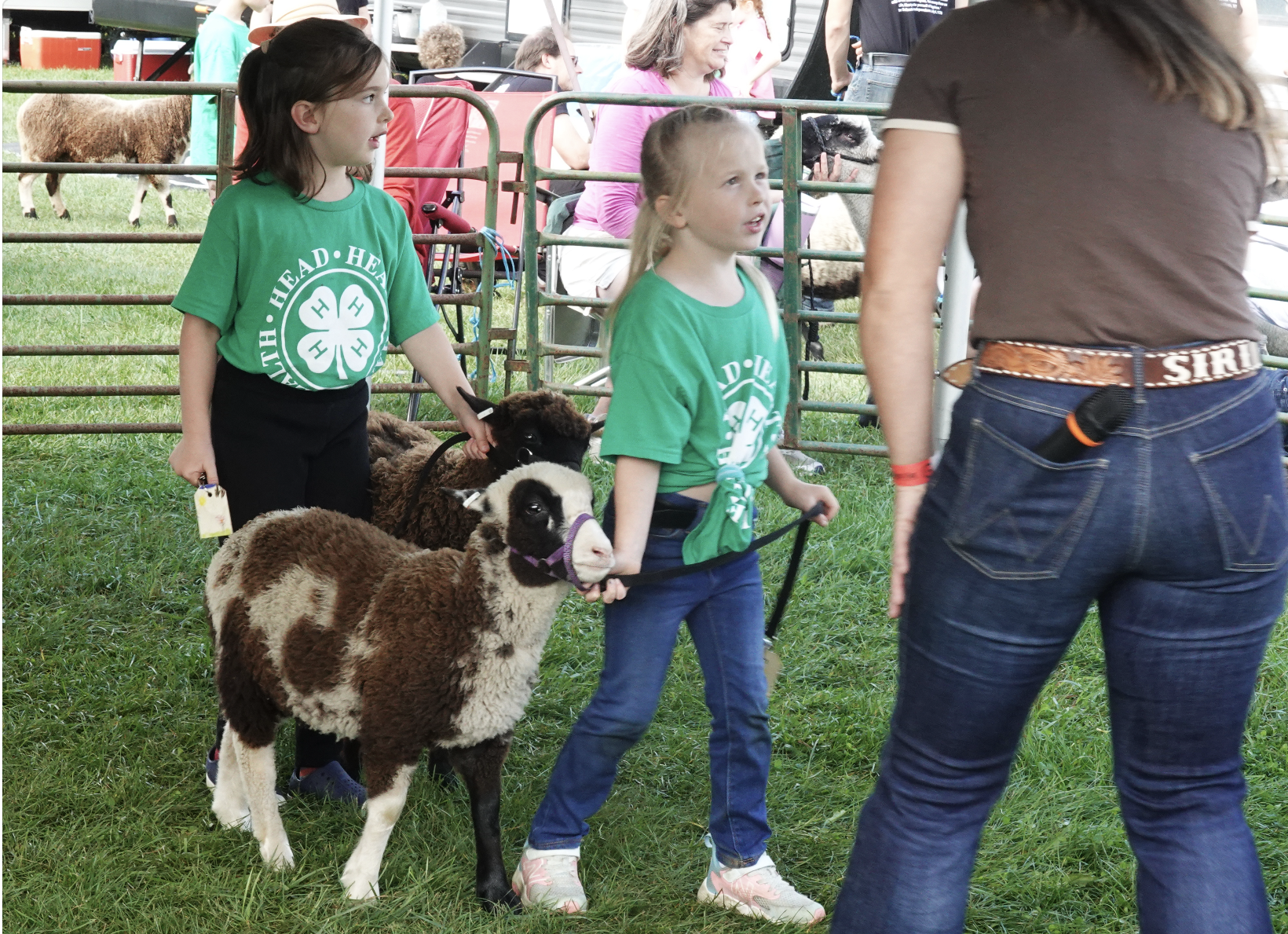
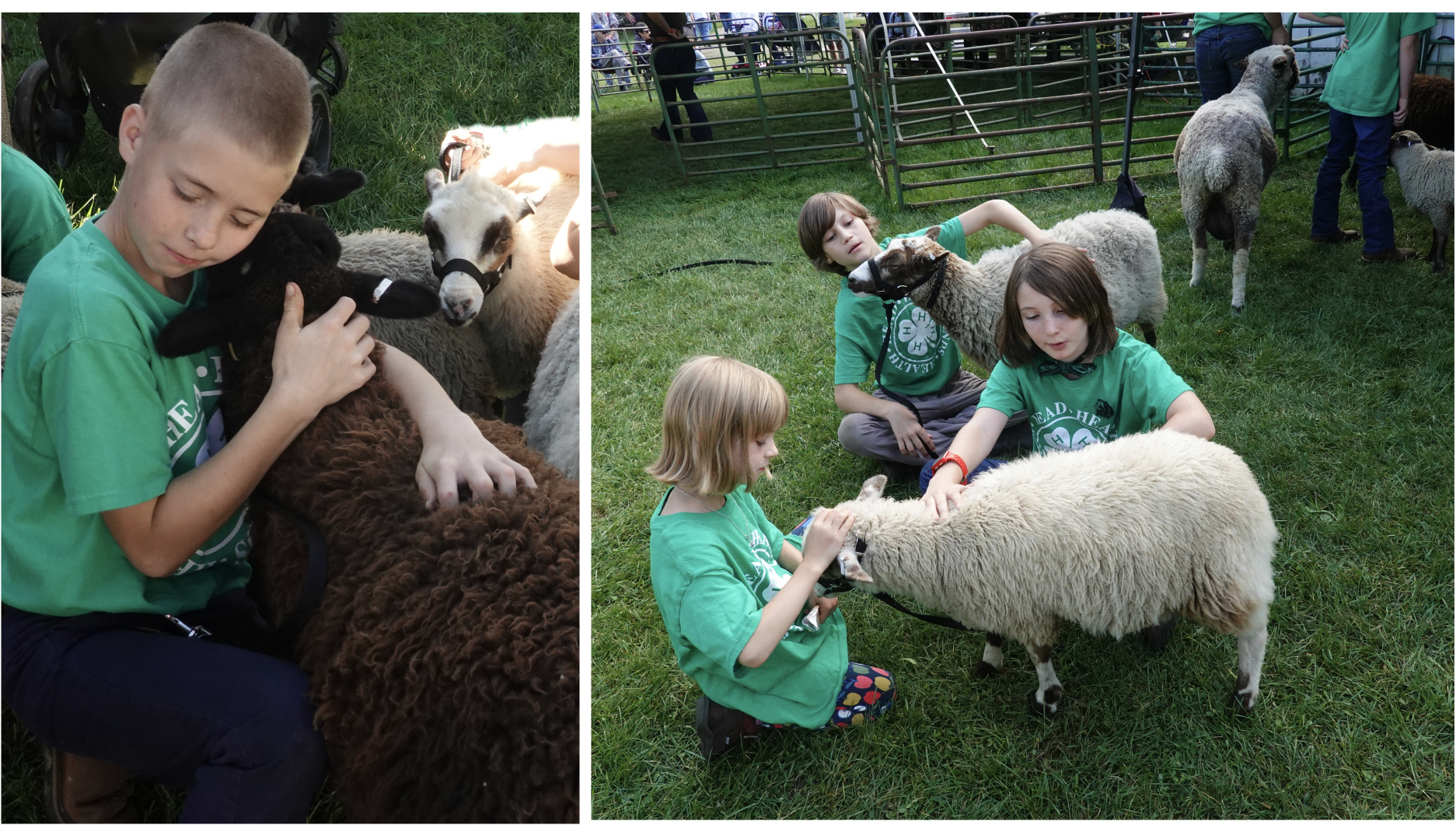
Dedication, of course, flows from the top on down. Sarah lived in a camper at the fairgrounds for the duration of the Fair and then some, to oversee the lambs' care, and she has given every one of her 2026 lambs to the program. By keeping all the lambs, she hopes most of the children will continue and will have truly well-trained sheep come next September. And, needless to say, many of the children have become deeply attached to their lambs.
Winter approaches, bringing perplexing issues of how and where to board this large group of animals so the children can continue to work with them. Elise Bragg will house some of them, but it's best not to split the flock up beyond that. Sarah may have to appeal to the community to find a winter home for the rest. Her farm is already at capacity with her daughters' horses and ponies, her breeding sheep, and various other animals.
And then there is the cost of the hay for winter feed.
In most 4H animal programs, the families of participating children shoulder the expense of rearing the animals. But Sarah doesn't want cost to be a barrier to participation, so she offers Thetford 4H free of charge. Parents are starting to appreciate how meaningful this is to their children, and hopefully some of the most invested families might feel moved to contribute towards hay. Sheep don't eat much, but they do have to eat.
Another thing that has become tight is space for meetings. So far, the 4H group has used the meeting room at Thetford Hill Congregational Church. At present, there are 21 children enrolled. However, now that the Fair is over a few more are interested in trying it out, and the group is in danger of outgrowing this space. Sarah is embarking on a sheep-breeding initiative for long-fiber wool that's close to cashmere in softness. She would love to teach the children drop-spindle spinning using wool from their lambs. And the children are eager for more shows and for more variety, like learning about showing chickens.
The exposure to showmanship and presenting animals in competition fosters life skills such as public speaking, self-reliance, and leadership. Even if these young people don't grow up to become farmers, they have experienced the commitment and hands-on knowledge of caring for an animal and training it. Sarah has seen them become more confident and that they are stepping forward without being asked. That in itself is something huge.
For information and inquiries about Thetford 4H: [email protected].
Photo Credit: Li Shen